


If your baby gets fussy right after a feed, trapped air is often the culprit, and a good burp can settle things down in seconds.
Learning how to burp a newborn baby is one of those small skills that makes feeding time smoother for both of you. It is simple once you know the positions and timing that work, and it pairs naturally with the rest of your baby's everyday care routine. Below, you will find the best burping positions, when to use each one, and how to handle the spit-up that often comes along for the ride.
- Burping releases air your baby swallows while breastfeeding or bottle feeding.
- Most newborns need to be burped during and after feeding.
- Three main positions, shoulder, lap-sitting, and face-down, cover most situations.
- Gentle pats and proper head and neck support are what make burping safe.
- Not every baby burps every time, and that is completely normal.
Why Burping a Newborn Baby Is Important

Burping helps your baby release trapped air that can cause discomfort and fussiness. A well-burped baby is usually calmer, feeds better, and settles into sleep more easily afterward.
How Trapped Air Affects Your Baby
Babies swallow air while breastfeeding or bottle feeding, and that trapped gas can lead to crying, squirming, or pulling away mid-feed. Burping helps reduce that gas and makes your baby more comfortable, though a little spit-up is still completely normal in newborns.
Signs of Gas in Newborn Babies
- Squirming or wiggling during feeding
- Arching the back or clenching their fists
- Pulling their legs up toward the belly
When to Burp a Newborn During and After Feeding
Timing matters when it comes to burping your baby. Knowing when to pause can help prevent gas from building up in the first place.
| Feeding Type | When to Burp | How Often |
|---|---|---|
| Breastfeeding | When switching breasts | 1 to 2 times per feed |
| Bottle feeding | During feeding | Every 2 to 3 ounces, or based on your baby's cues |
| After feeding | At the end of the feed | At least once |
At night, keep burping calm and gentle so your baby stays sleepy. If your baby is already sleeping comfortably after feeding, burping is not always necessary.
How to Burp a Newborn Baby Step by Step
Burping a newborn is simple once you use gentle movements and a supported position. The goal is to help air bubbles rise without putting pressure on your baby's stomach.
- Hold your baby upright or in a supported position
- Gently pat or rub the upper back
- Wait a few minutes before switching positions
- Stop once your baby seems calm and comfortable
Keep a cloth nearby, since spit-up is normal during burping. Soft, absorbent wipes make quick cleanups easy without adding fragrance or harsh ingredients to sensitive newborn skin.

Wispy Duo Wipes (Dry)
Use wet or dry for quick spit-up cleanups. Hypoallergenic, alcohol-free, and dermatologist-tested.

Wispy Cloud Diaper Weekly Bag
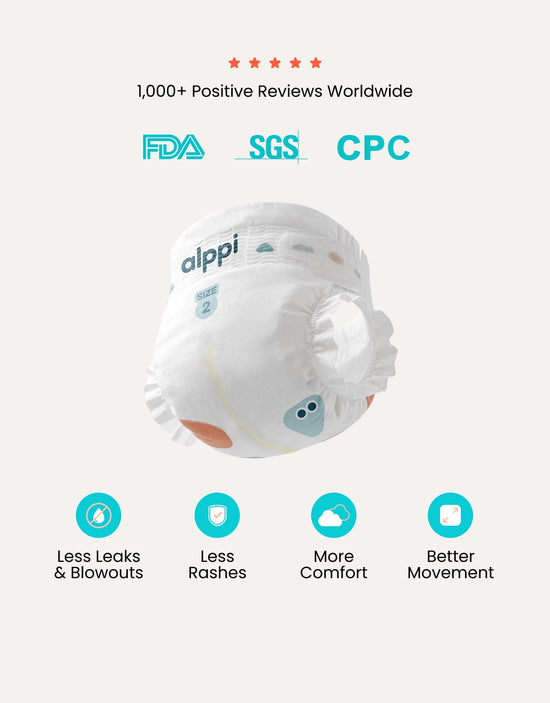
A lighter weekly supply of breathable diapers, easy to grab for the diaper change that often follows a feed.
Wispy Cloud Diaper Monthly Box
A full month of cloud-soft, breathable diapers to keep feed-and-change routines simple.
Best Burping Positions for Newborn Babies
Different burping positions work better depending on your baby's mood and feeding style. Knowing when to use each one makes a real difference.
Over-the-Shoulder Position
This is one of the most popular and easiest ways to burp a newborn. It works well right after feeding, while your baby is already upright. Hold your baby against your shoulder, support their head and neck with one hand, and gently pat or rub their back.
Sitting on Lap Position
This position gives you more control and is especially helpful for smaller newborns. Sit your baby on your lap facing sideways, support their chin and chest with your hand, then lean them slightly forward and pat their back.
Face-Down on Lap Position
This position can help when other methods are not working, since the gentle pressure on the tummy encourages trapped air to come out. Lay your baby face-down across your lap, keep their head slightly higher than their chest, avoid pressing on their stomach, and gently rub or pat their back.
| Burping Position | Best Time to Use | Why It Works |
|---|---|---|
| Over-the-shoulder | After feeding or when sleepy | Keeps baby upright and relaxed |
| Sitting on lap | During feeding breaks | Gives better control and support |
| Face-down on lap | When baby won't burp | Gentle pressure helps release gas |
How Burping Differs for Breastfed and Bottle-Fed Babies

Burping a Breastfed Newborn
Breastfed babies may swallow less air, but they still need burping. Pause when switching breasts, and watch for cues like slowing down or pulling away, then keep the process gentle and unhurried.
Burping a Bottle-Fed Newborn
Bottle-fed babies often swallow more air, so regular burping matters more here. Burp every few ounces or when your baby signals a need for a break, keep the bottle tilted to reduce air intake, and try a slow-flow nipple if needed.
What to Do If Your Newborn Won't Burp
Some babies do not burp every time, and that is okay. The goal is comfort, not forcing a burp. Try switching positions, holding your baby upright for a few minutes, or gently moving around. If your baby seems calm and not fussy, it is fine to stop trying.
Common Mistakes When Burping a Newborn
- Patting too hard instead of using gentle motions
- Not supporting the head and neck properly
- Skipping burping breaks during longer feeds
- Stopping too quickly before gas has a chance to release
Burping and Spit-Up in Newborn Babies
Spit-up often happens during burping and is usually completely normal. Knowing what is typical can help you feel more at ease.
| Situation | Normal or Not | What to Do |
|---|---|---|
| Small spit-up after burping | Normal | Clean up and continue |
| Milk comes out with a burp | Normal | No concern if baby is calm |
| Frequent large spit-ups | Sometimes concerning | Talk to a doctor |
Spit-up is common because a newborn's digestive system is still developing. Keeping your baby upright for about 10 to 15 minutes after feeding can help reduce discomfort and give milk time to settle before the next nap.

Premium Bamboo Sleep Sack
Breathable bamboo viscose that keeps baby comfortable while they settle down after that post-feed upright time.

Alppi Newborn Special
A newborn-sized diaper bundle with soft hook tabs, handy for the diaper change that often follows a feed-and-burp session.
Do All Newborn Babies Need to Be Burped?
Not every baby needs frequent burping, especially if they swallow less air. Paying attention to your baby's behavior matters more than following a strict rule. Some babies burp less naturally, and a calm, content baby may not need extra burping at all. Fussiness is a better signal than routine.
As Baby Grows
As your baby gets older, they swallow less air and digestion improves, so burping becomes less necessary after the first few months. Many babies eventually start burping on their own.
Why Parents Trust Alppi Baby for Everyday Newborn Care
Every Alppi Baby product is built around comfort that feels like a cloud, with peace of mind for parents handling spit-up, diaper changes, and everything in between. Diapers and wipes are hypoallergenic, dermatologist-tested, and free from fragrances and harsh chemicals.
You can see the full testing standards on our Safety and Certifications page, or read what other parents are saying on our Reviews page.
Stock Up on Everyday Feeding and Care Essentials
Soft wipes, breathable diapers, and cozy sleep sacks, everything you need to make feed, burp, and settle time a little easier.
Explore Alppi Baby


